


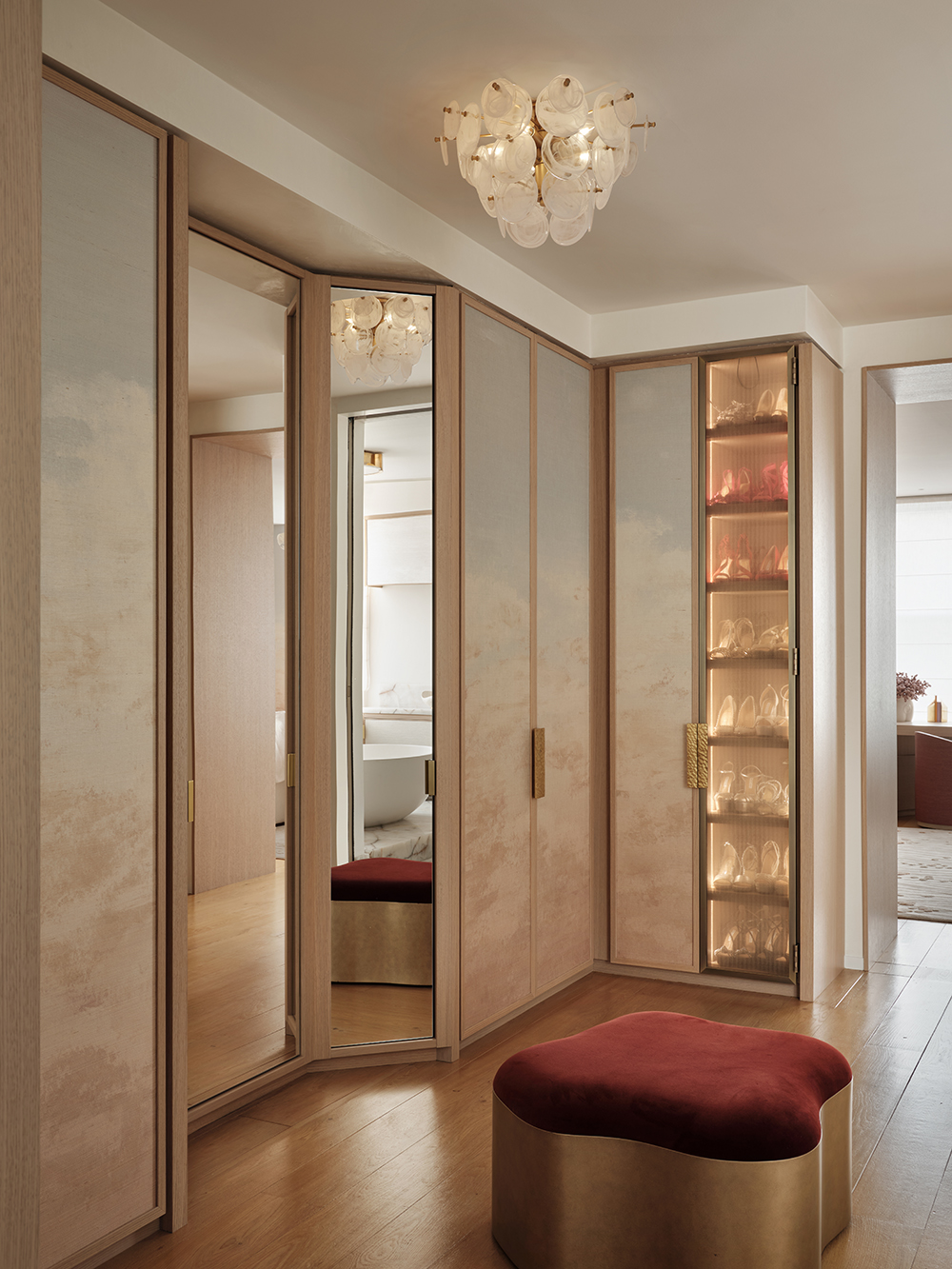
A design-led project begins with a vision, one that blends creativity, functionality, and personal expression. Every space tells a story, and in a design-led approach, that story is carefully curated from the very first consultation. The process is collaborative, involving the client, designers, architects, and technical experts, all working together to transform ideas into tangible, bespoke solutions. At its core, a design-led project is about translating aspirations into a space that is both beautiful and practical, where every detail is intentional and every element contributes to a cohesive whole.
The journey often begins with understanding the client’s lifestyle, preferences, and functional requirements. This stage is crucial, as it establishes the foundation for all design decisions. Designers explore the needs of the space, the activities it will host, and the emotional experience it should evoke. Whether the project is a luxury kitchen, a custom wardrobe, or a statement piece of furniture, the process begins by listening, observing, and capturing the essence of what the client envisions. This stage ensures that the resulting design is personal, meaningful, and aligned with the user’s lifestyle.
Once the brief is clear, the conceptual phase begins. Designers translate insights into sketches, material palettes, spatial layouts, and preliminary plans. This is the stage where creativity thrives, as multiple options are explored and refined, balancing aesthetics with practicality. The goal is to create a vision that feels complete on paper while remaining flexible enough to evolve as the project progresses. Conceptual development also includes discussions about materials, finishes, and textures, ensuring that each choice enhances the overall design intent.
As the project moves into the design development phase, ideas take on more concrete form. Detailed drawings, 3D renders, and samples allow clients to visualize the final outcome. Every element, from joinery and cabinetry to hardware and surface finishes, is carefully specified. Collaboration between designers and technical experts ensures that creative intent can be translated into real-world solutions. Bespoke elements, such as custom storage systems, specialized furniture, or unique detailing, are refined during this stage to create a seamless integration of form and function.
Engineering and production follow, where the design is meticulously transformed into a tangible reality. Every measurement, joinery detail, and material specification is verified to ensure precision and quality. Prototypes or mock-ups are often produced to confirm that designs meet aesthetic and functional standards. Throughout this stage, the focus is on maintaining the integrity of the design while ensuring that every component is practical, durable, and ready for installation.
Finally, the installation stage brings the project to life. Experienced teams carefully assemble and install each element, ensuring a flawless finish. What began as an idea on paper becomes a fully realized space, where form, function, and craftsmanship coexist harmoniously. Post-installation, attention is given to finishing touches, ensuring that every detail aligns with the original vision. The result is a space that not only meets but exceeds expectations, embodying a design-led approach that prioritizes creativity, collaboration, and precision at every stage.
A design-led project is more than a series of steps; it is a journey of collaboration, problem-solving, and artistic expression. From the initial consultation to the final installation, every stage is driven by a commitment to excellence, attention to detail, and a desire to create spaces that are personal, functional, and timeless. The journey transforms ideas into living, breathing environments that reflect the client’s individuality while maintaining the highest standards of design and craftsmanship.